Axe Vanilla. From the years of the first times.
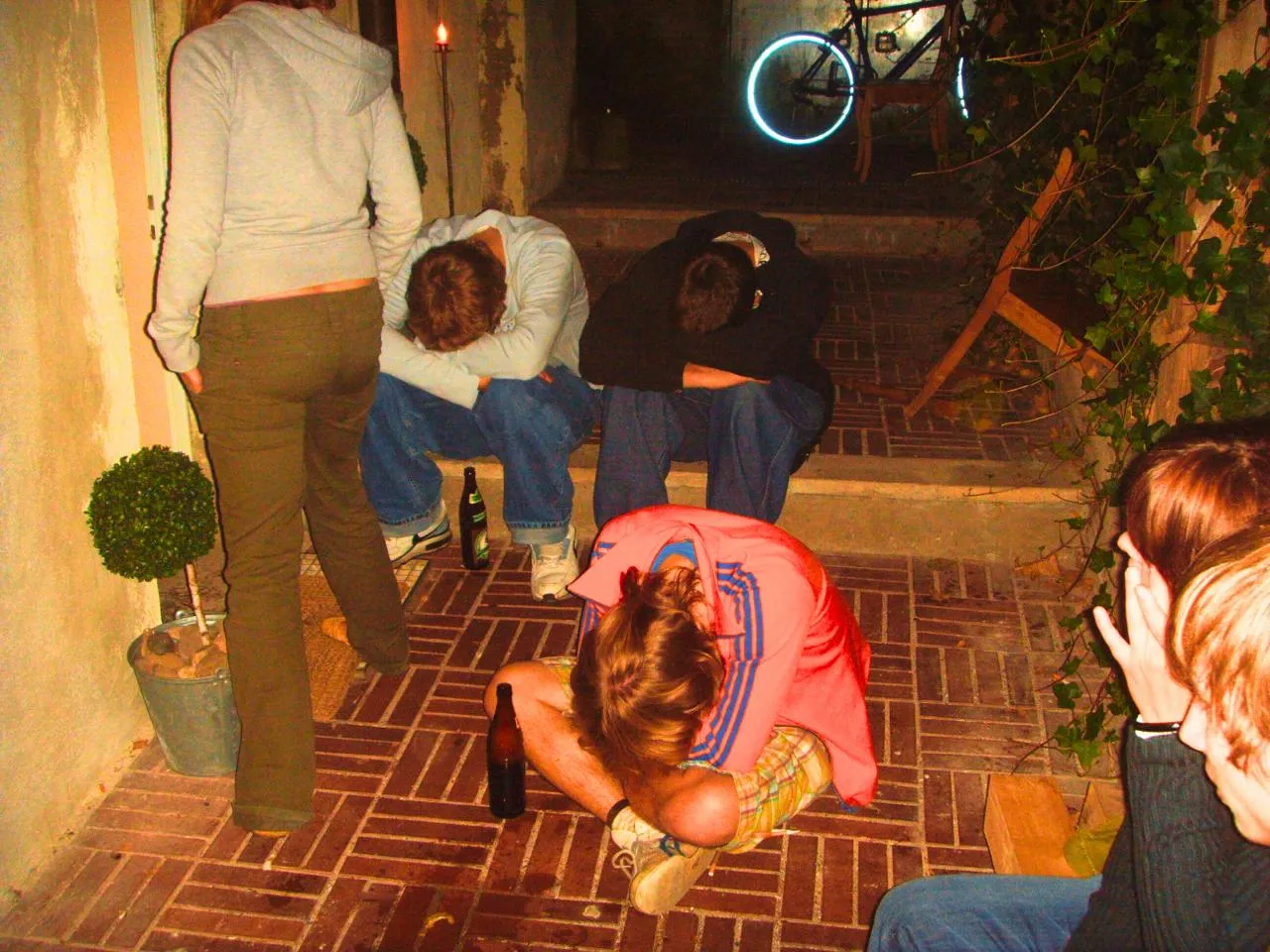

In this multimedia reading, Ann Esswein and Sebastian van Vugt take us back to the time of first experiences, between the ages of 15 and 18, when everything changes, tingles, is exhausting and incredibly exciting, all at the same time. It smells of AXE Alaska and Impulse Vanilla, and mix CDs with sad love songs that warm the first broken hearts spin in the anti-shock Discman. Their novels “Jahre ohne Sprache” (Ecco) and “Die Zukunft hat Heimweh nach der Jugend” (The Future Is Homesick for Youth), from which they will read, are also set in this time.
It's an evening of visual, musical, and literary flashbacks to the teenage years with songs from the early 2000s.
And at the end, there's karaoke. An evening about growing up. Personal, nostalgic, and open.
In “Die Zukunft hat Heimweh nach der Jugend” (The Future Is Homesick for Youth), Sebastian van Vugt tells of a near future in which people must trade memories for lifetime. In the year 2039, Noa is faced with the decision to give up his 15th year of life. He refuses. Under existential time pressure, he embarks on a journey between remembering and forgetting that leads him to family, digital legacies, and a resistance movement. The novel deals with questions of identity, power, and resistance, and what remains of humanity when the future loses its memories.
“Jahre ohne Sprache” tells the story in fragments of a summer shortly before Natascha's real life was supposed to begin. In Glanitz, a small town in the province, life for her and her friends takes place between the soccer field, bus stop shelters, and the fairgrounds. Always present is the Hand, as Natascha calls it—and the unease.
About the authors
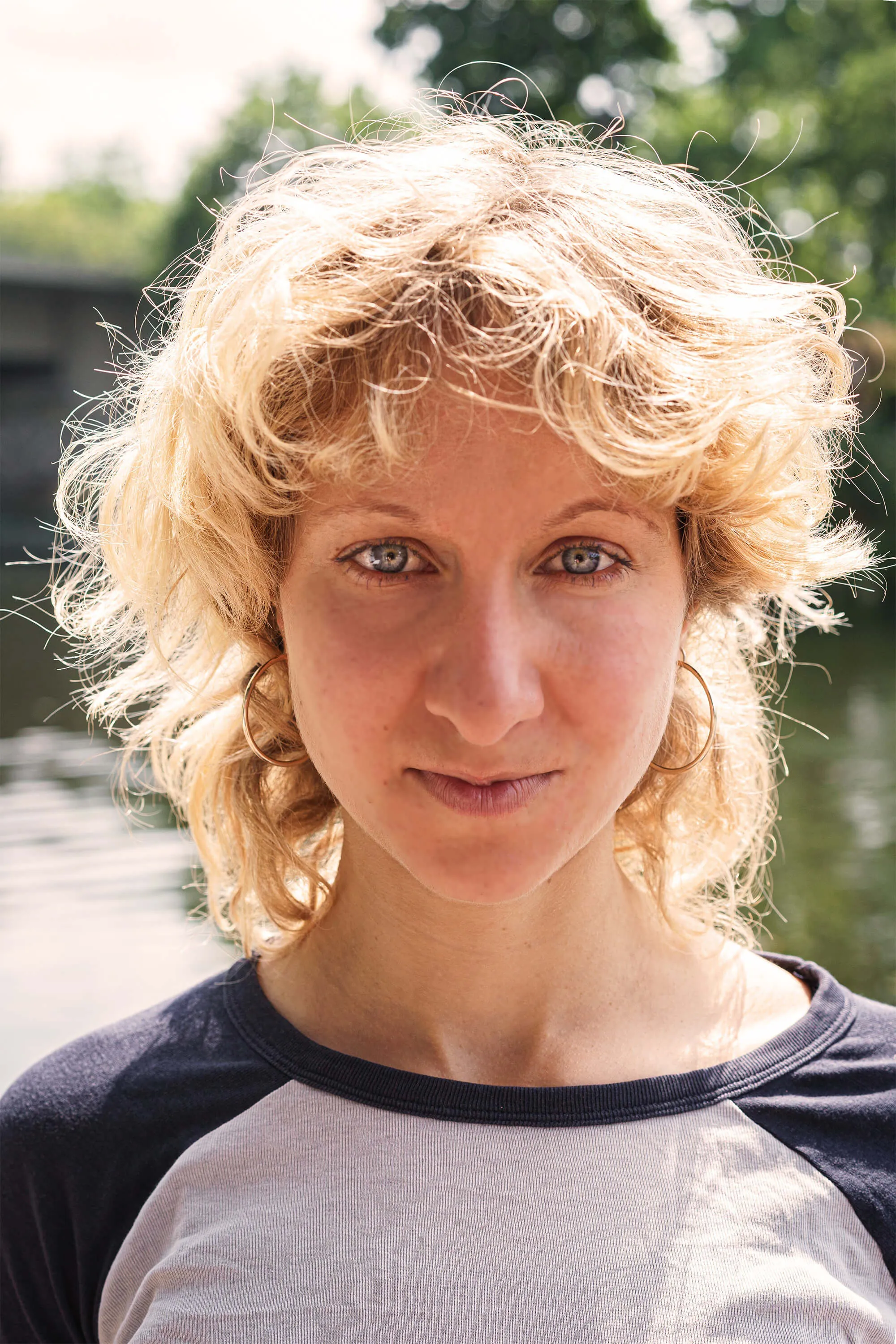
Ann Esswein is a freelance reporter and author who writes short stories, articles, radio plays, plays, and novels. Her debut novel Mimikry was published in 2024, followed by her second novel Jahre ohne Sprache (Years Without Language) in November 2025 (Ecco).
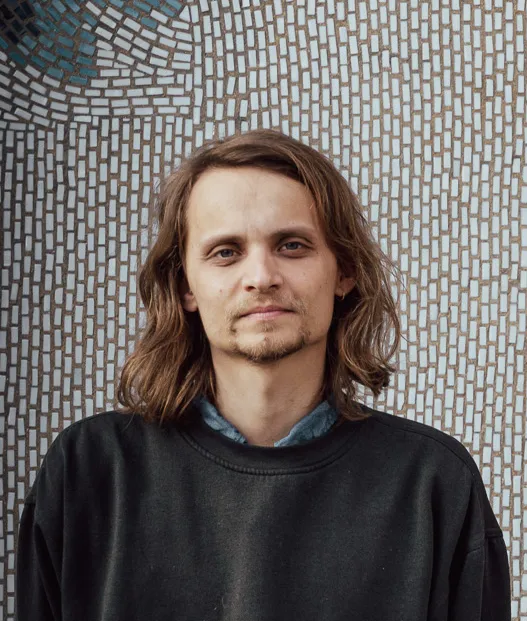
Sebastian van Vugt is a freelance author who publishes cultural studies texts and prose in publications such as Kopf und Kragen Literaturverlag, the anthology “U0 Untergrundminiaturen” and in literary magazines.
In a collaborative writing project, Ann Esswein and Sebastian van Vugt wrote a radio essay for Deutschlandfunk in which they ask themselves what would happen if shame did not exist—would paradise lie beyond it?