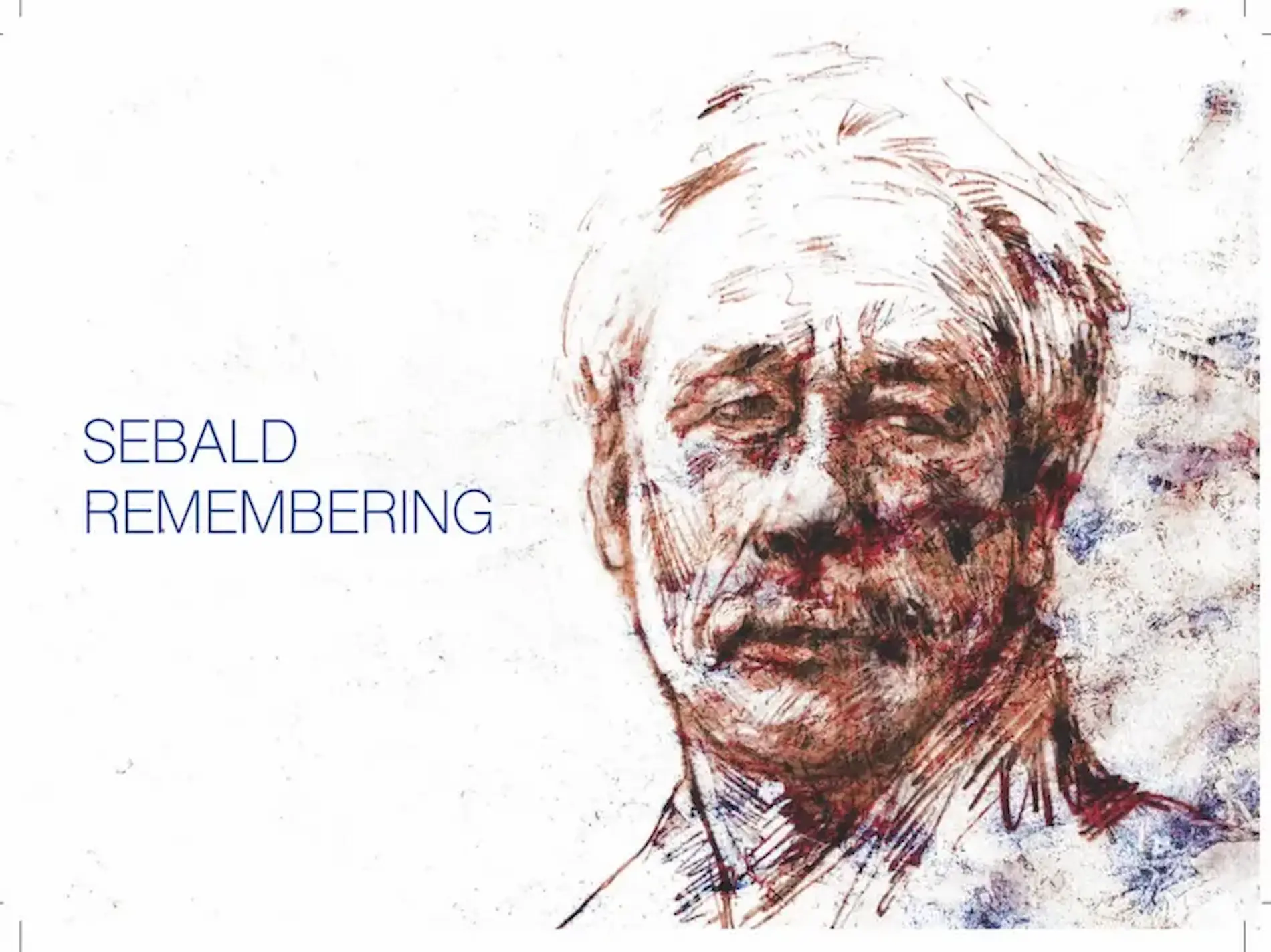
Sebald Remembering

“I have always resisted the power of time out of some internal compulsion which I myself have never understood, cutting myself off from so-called current events in the hope, as I now think, said Austerlitz, that time will not pass away, has not passed away, that I can turn back after it, and when I arrive I shall find everything as it once was, or more precisely shall find that all moments of time have coexisted simultaneously.”
So wrote W.G. Sebald in his final novel Austerlitz (2001), published only a few months before his death in a car accident. Sebald, like his protagonist, was concerned with the layers of history and how we live within them. Born in Bavaria in May 1944 while his father served in the Wehrmacht, Sebald’s childhood was spent in the shadow of the Holocaust and the destruction of WWII, in a society pulled between silence and complicity, between catastrophe and regeneration. These tensions, the banality of day-to-day life against the backdrop of unspeakable tragedy, had a lasting impact on his work.
Although he wrote prolifically across genres, it was Sebald’s four novels that made him famous. In them, Sebald established a style that integrated fact with fiction, sometimes quoting extensively from authors of his own invention, at others inserting photographs or documents of dubious provenance. His works often took the form of travelogues, the external world and the revelations it offers stepping in for —or overwriting— the internal. His approach has inspired a generation of writers, while also attracting its fair share of detractors.
At the heart of Sebald’s work is a hyper-attunement to crisis, an examination of how catastrophe operates on the human psyche, individually and collectively. He writes beautifully of the narrative undoing and self-alienation that accompanies exile, himself having spent the second half of his life in the UK. He also —in works like A Natural History of Destruction— took on German wartime suffering and the ruination of Germany's cities, always with an eye to the politics of the past.
At Sebald Remembering, writers Marcel Krueger, Paul Scraton, and Madeleine Watts will discuss Sebald’s work and his legacy in a conversation moderated by Sanders Isaac Bernstein. After a short break, Berlin writers will be invited to read their own work inspired by Sebald.
Please note, the night’s conversation will be held in English. Readings, however, may be shared in any language.
CALL FOR READINGS
“This then, I thought, as I looked round about me, is the representation of history. It requires a falsification of perspective,” Sebald wrote in Ringsof Saturn. “We, the survivors, see everything from above, see everything at once, and still we do not know how it was.”
Drawing inspiration from Sebald’s work, we invite writers to submit work that is about CRISIS. Submissions do not have to be imitations of Sebald and should not be about him. Instead, we are looking for approaches that seek to make sense of a state of crisis (present or past, proximate or remote), that problematize the act of witnessing, that dig into geography, and that attempt to pry apart layers of history to see what’s inside. Place writing, fact camouflaging as fiction and fiction as fact, and multimedia experiments all encouraged.
Selected readers will be invited to share their work at the event and will have their work published online and in a printed zine commemorating the evening. Please email your submission of 600-800 words (or up to 30 lines of poetry) to JosephRothToday@gmail.com by May 17.
More information: https://sites.google.com/view/mayroeckernow/home
Madeleine Watts
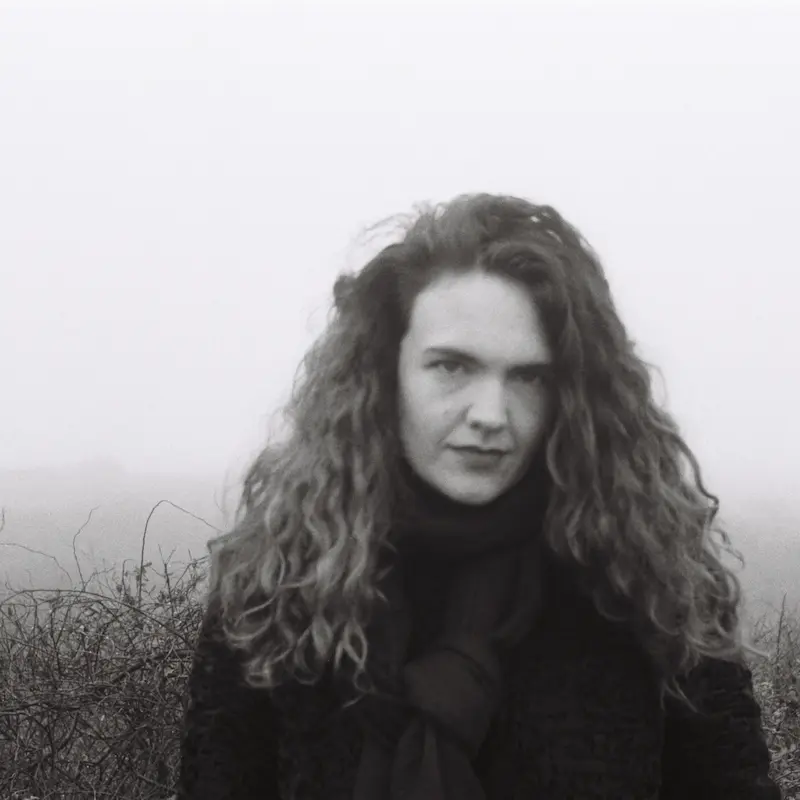
Madeleine Watts is the author of the novels Elegy, Southwest (2025) and The Inland Sea (2020), which was shortlisted for the Miles Franklin Literary Award. Born in Sydney, Australia, she currently lives in Berlin. http://www.madeleinewatts.com/
Marcel Krueger
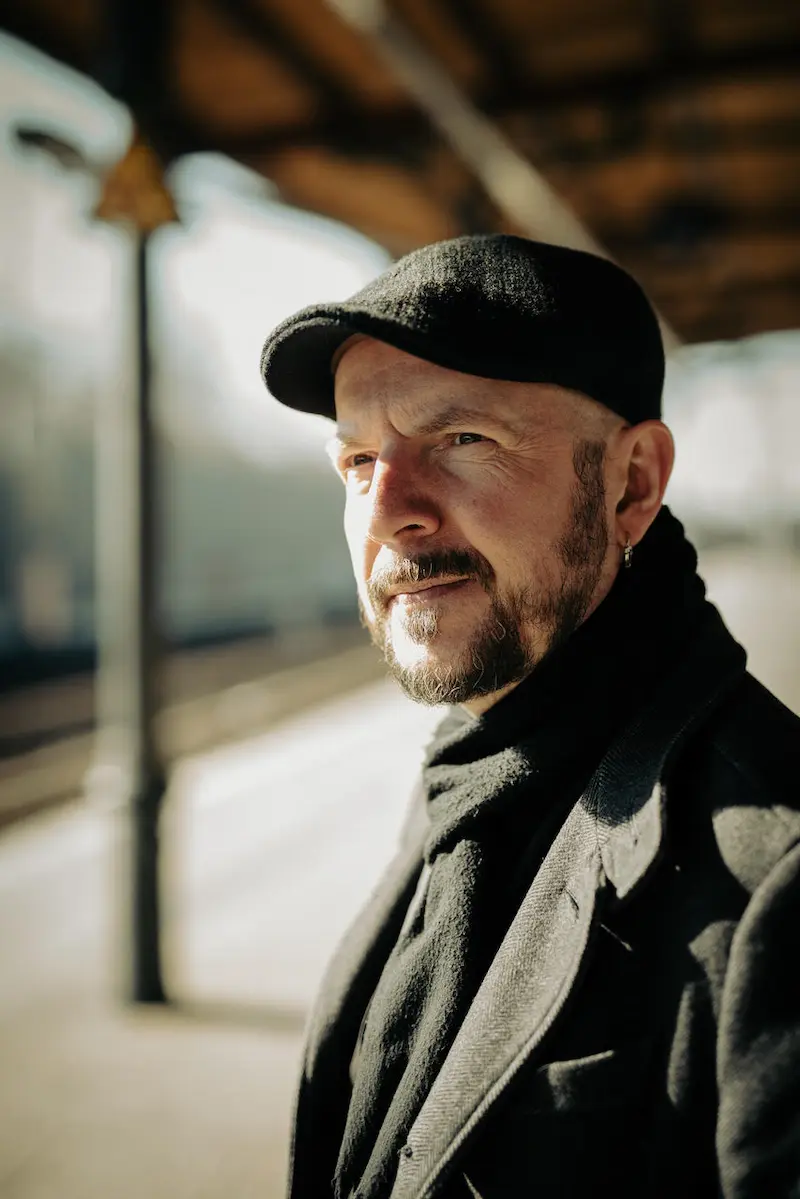
Marcel Krueger is a German-Irish writer and translator living in Berlin. His essays have been published in The Guardian, Notes from Poland, 3:AM, Paper Visual Art, CNN Travel, The Diasporist, Przekrój, and The Irish Times, amongst others. Marcel is the co-editor of Elsewhere: A Journal of Place, and has published five non-fiction books in English and German, among them Berlin: A Literary Guide for Travellers (written together with Paul Sullivan, 2016) and Babushka’s Journey: The Dark Road to Stalin’s Wartime Camps (2018).
Paul Scraton
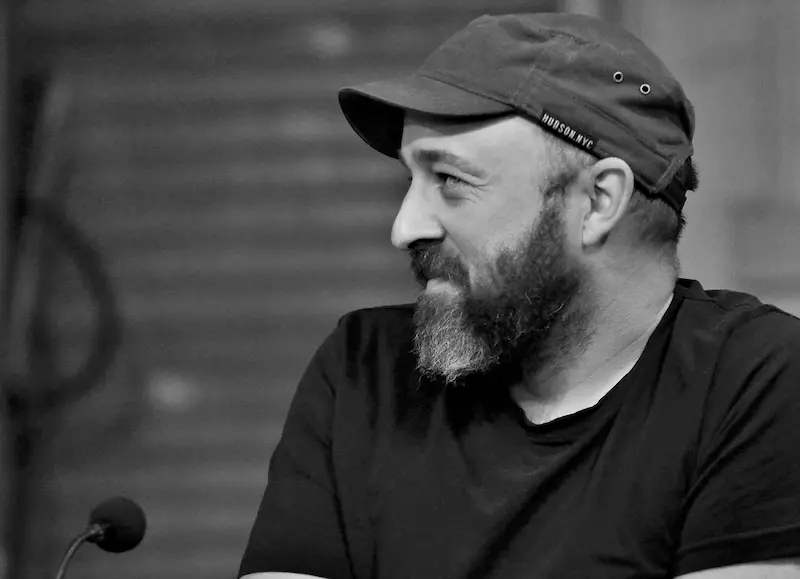
Paul Scraton was born in the north of England and has lived in Berlin since 2002. He is co-founder of Elsewhere: A Journal of Place, the author of a number of books for Influx Press including Ghost on the Shore: Travels Along Germany's Baltic Coast and the novella of the forest In the Pines (2021). His most recent novel is A Dream of White Horses (2024).
Sanders Isaac Bernstein
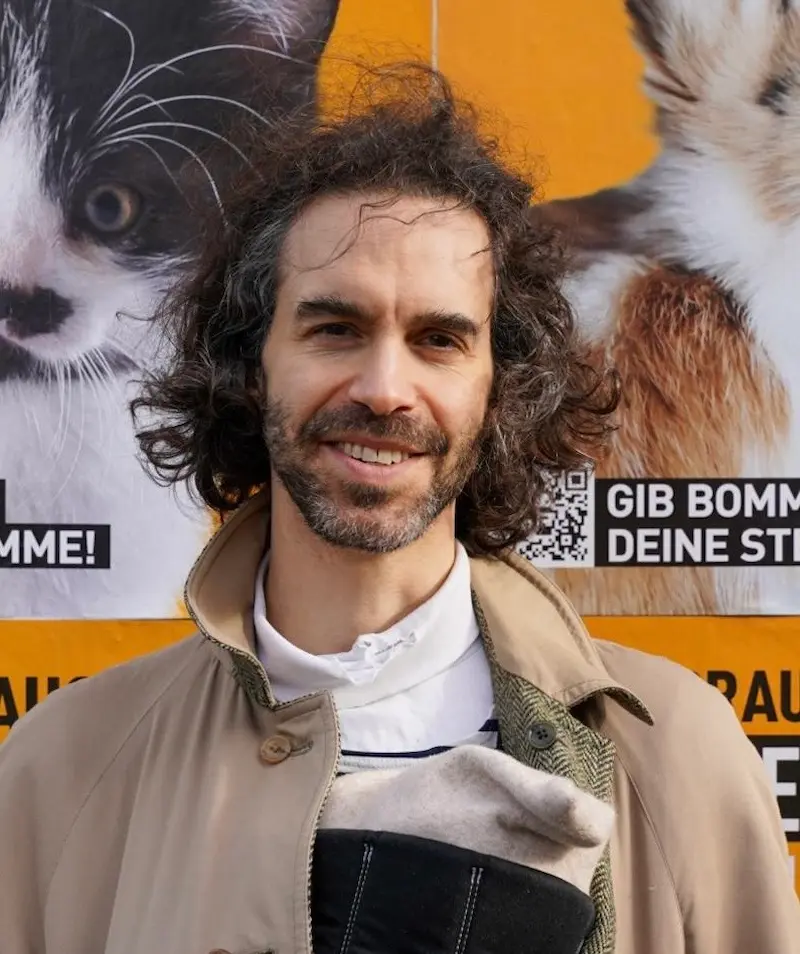
Sanders Isaac Bernstein is a writer living in Berlin. His work, which often takes historical and personal memory as its focus, has appeared, among other places, in Jewish Currents, Cabinet, and The Baffler. He is a member of the Berlin Jewish writer's collective Die Sammlung and part of the editorial team of The Auflauf.
Julia Bosson
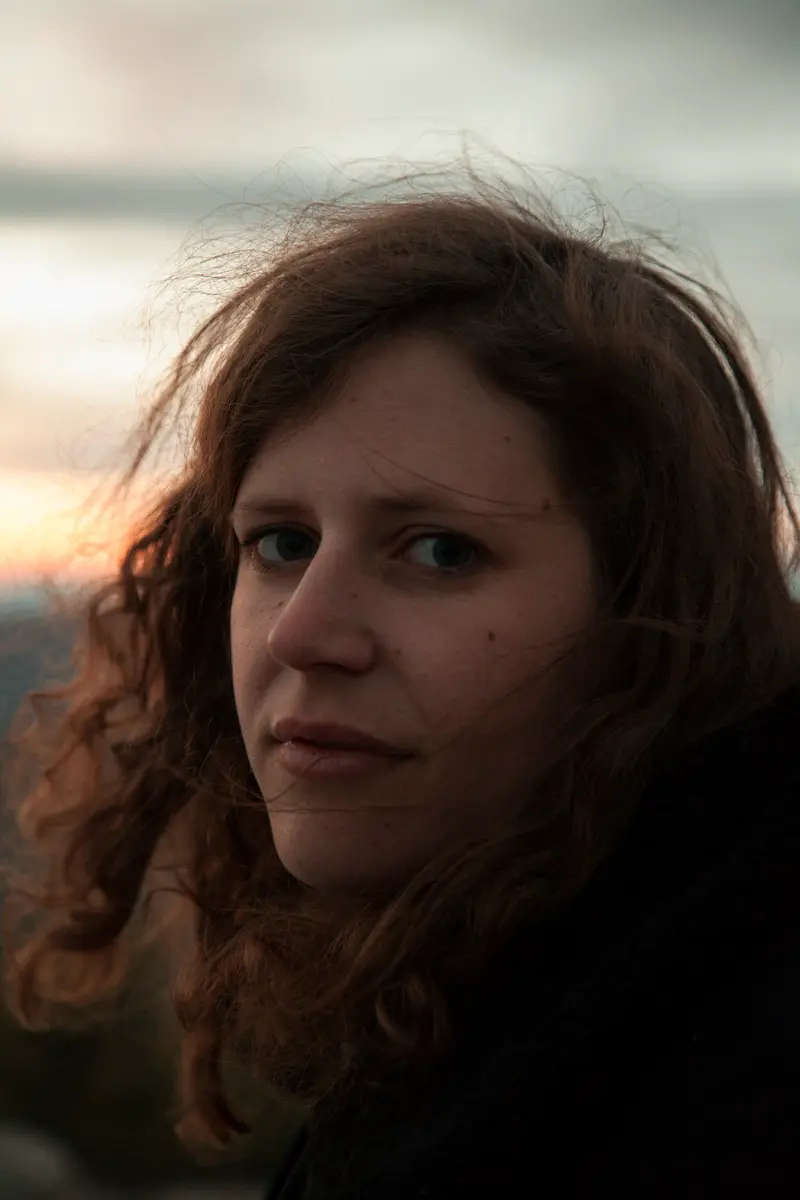
Julia Bosson is a writer and editor based in Berlin. She is editor-in-chief of The Diasporist, a new magazine of German politics and culture, and co-leader of the Berlin Jewish writers’ collective Die Sammlung. The recipient of grants from the Fulbright Program, DAAD, and the MFJC, she is currently at work on a novel about the life and journalism of Joseph Roth.
Mathilde Montpetit
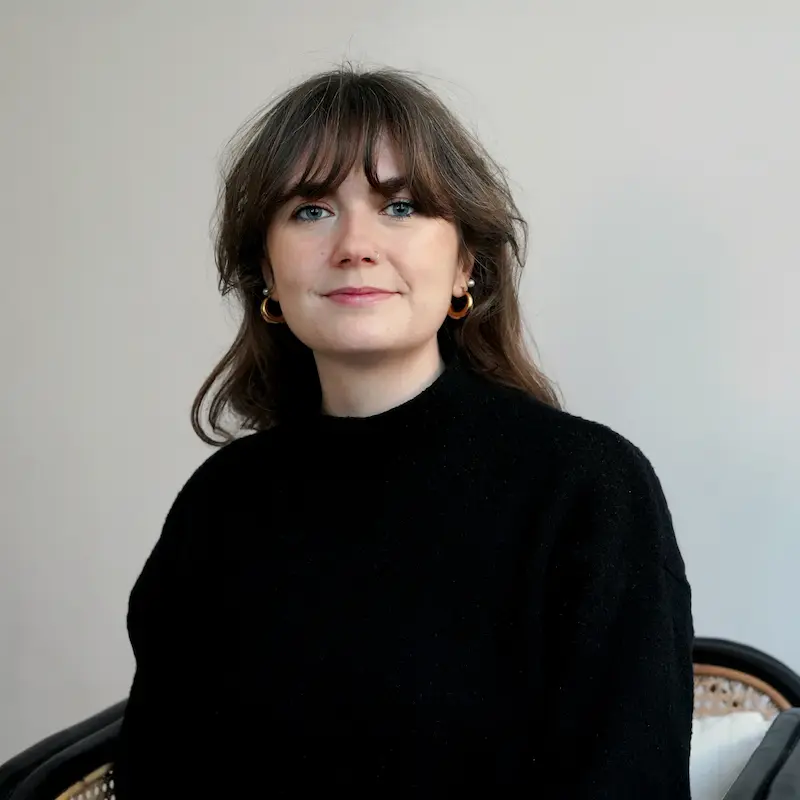
Mathilde Montpetit is a PhD candidate and writer who occasionally translates from French and Arabic. She also serves as chief undersecretary of The Auflauf, a Berlin books magazine.
Florian Olbrich
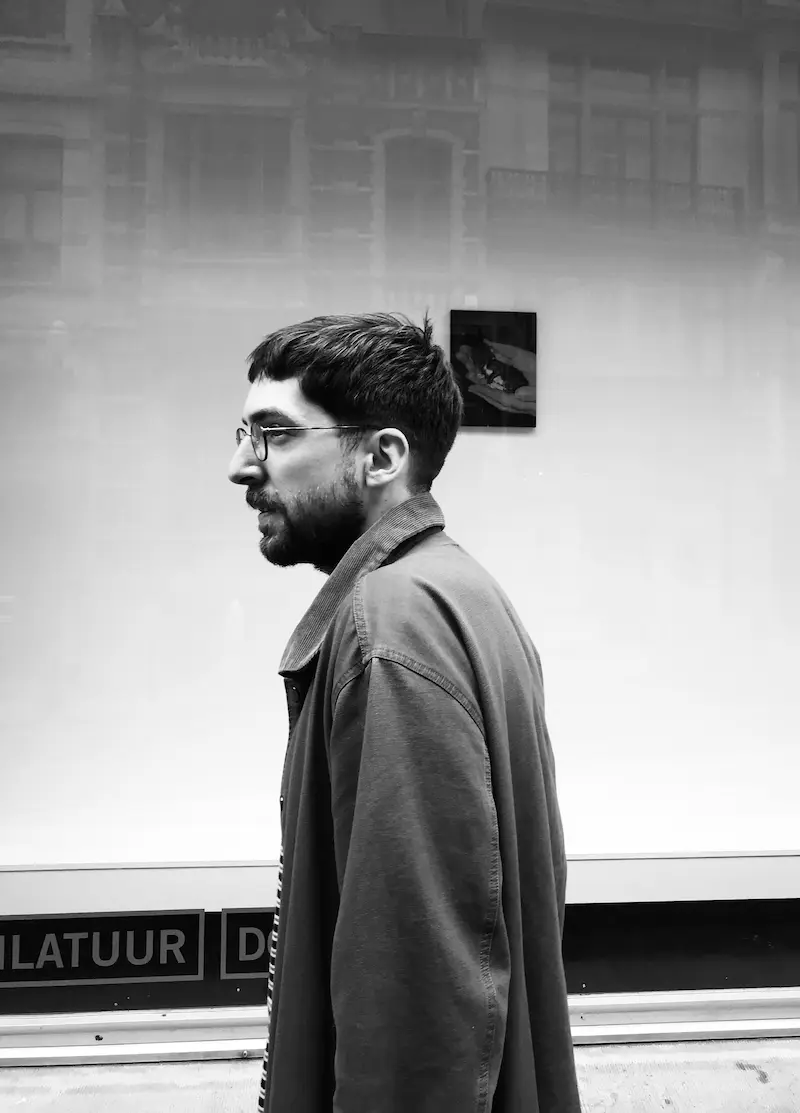
Born and raised in Charlottenburg, Florian Olbrich studied Literature in Berlin, Paris and Frankfurt (Oder). He reads and writes mostly on the interconnectedness of place, history and memory, as well as aspects of the uncanny. Currently he is working on a project about his Banat Swabian family.
Tamar Raphael

Tamar Raphael is an Israeli writer based in Berlin. Her debut novel, There Were Two with Nothing to Do (2024), was widely praised by critics and received an honorable mention from the Brener Award for debut fiction. Her poetry collection, Receding Songs (2021), received the Ministry of Culture Award for Young Poets. She has published poems and short stories in a range of literary magazines and journals, including Hava Lehaba, Granta Israel and The Diasporist. She is a MacDowell fellow and a member of Die Sammlung - a collective for Jewish writers in Berlin - and is currently working on her second novel.
Peter Matthews

Peter Matthews is founding editor of HEIST, a new worker-owned magazine for Berlin. His work has appeared in the TLS, at the BBC, and most recently in the European Review of Books.