Christa Wolf in our day


“Is life identical with time in its unavoidable but mysterious passage?” asked Christa Wolf in the introduction to her book One Day a Year. “While I write this sentence, time passes; simultaneously a tiny piece of my life comes into being—and passes away.”
Wolf certainly knew a thing or two about experiencing time—and about registering in literature the subjective experiences of history. Born in 1929 in Gorzów (then Prussian Landsberg), Wolf experienced the Third Reich as a child before becoming one of the foremost literary figures of the GDR, author of popular novels like "Kassandra", "Divided Heaven", and "The Quest for Christa T". She was a committed socialist and a determined formal innovator; her work, always both political and personal, steered away from socialist realism into the more ambivalent (and more Modernist) domains of what she called “subjective authenticity.” She was critical of the regime—but never quite a dissident—and her refusal to disavow the socialist project, both before and after the fall of the Berlin Wall, has made her a controversial figure across Germany. (Many westerners, in particular, have argued for her proximity to the GDR state to be morally discrediting.) By now, Christa Wolf has fallen considerably out of style. Her Wikipedia page in English even quotes someone saying that authors like her “became irrelevant overnight” when the Wall came down.
But, despite her detractors, Wolf kept writing into her ninth decade, continuing to find new forms and refuse easy conformity. Every year from 1960 to her death in 2011, Wolf wrote a short prose piece describing her experiences of the 27th of September. These pieces—published in English as "One Day A Year"—are diaristic, essayistic, and novelistic in turns. Mundane details meet with intellectual analysis; the political situation is everywhere. The day, that most basic unit of time, brings the great sweep of history into our homes—and vice versa—both under communism then and under capitalism now.
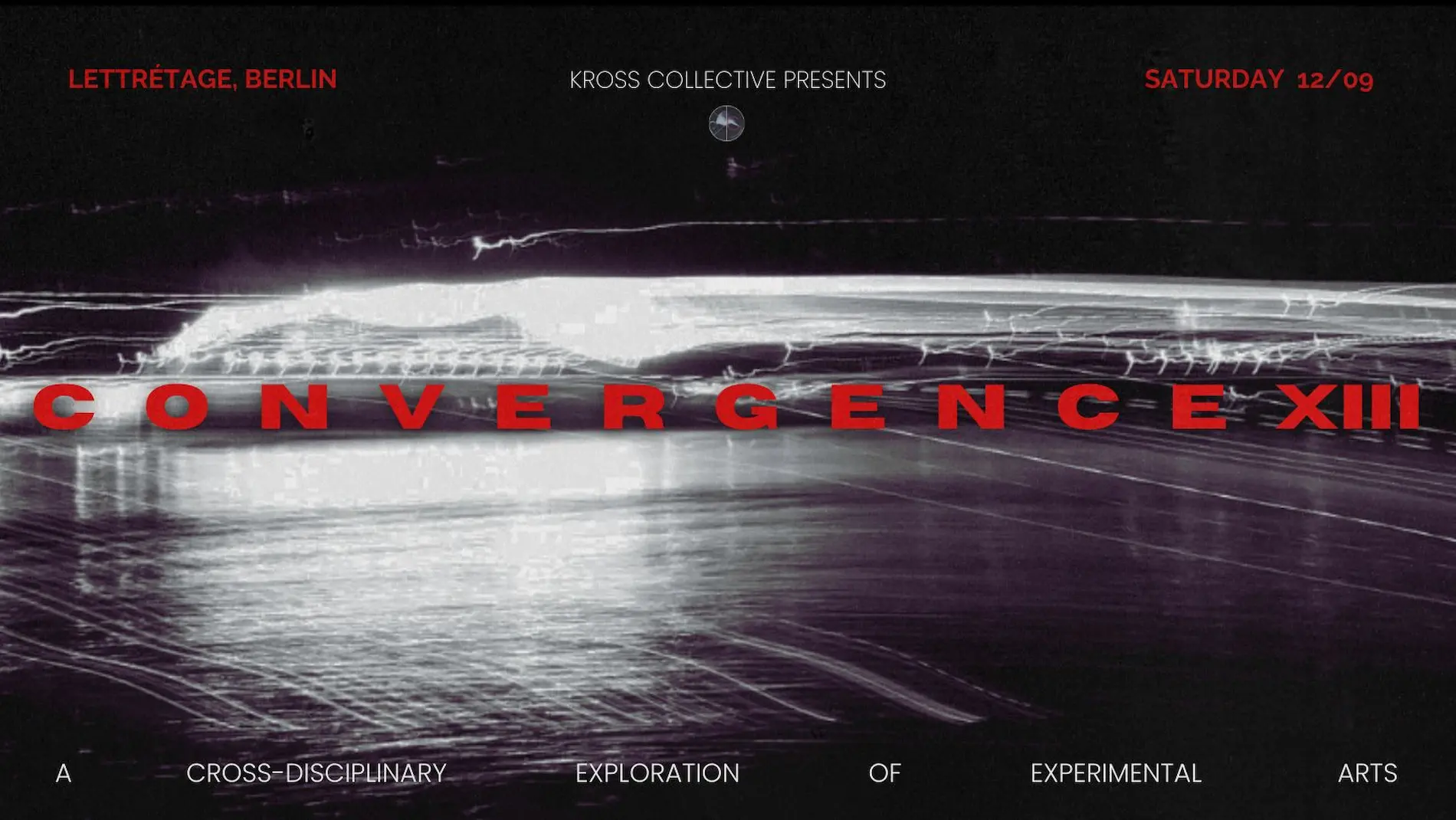
At "Christa Wolf in Our Day", we will return to Wolf’s literary project in our own period of moral and political crisis. Katy Derbyshire—acclaimed translator of "One Day A Year (2000-2011)"—will join book critic Alexander Wells for a discussion of Wolf’s life and (late) work moderated by the writer and novelist Paul Scraton. Then, after a drinks break, the evening will resume with a reading of short pieces submitted by the contemporary writers of Berlin. All are welcome, even Ulrich Greiner.
This event’s panel discussion will be held in English, but the second-half readings may be in any language.
If you would like to read at the event, please email your submission of 600-800 words to JosephRothToday@gmail.com by February 10. All readings will also be published online and in a printed zine commemorating the evening.
Submissions do NOT have to be directly influenced by Wolf and should not be about her. What we are seeking, instead, are prose texts that channel her spirit in their attention to the literary potential of the day (or repeated date)—especially where the political and the quotidian collide.
Philip Larkin put it this way: “Where do we live but days?” The day is, after all, the genre of our lives. It is the way that we measure and construct our worlds. In it lies a radical potential that is all too quickly exhausted. From one day to the next, everything or nothing can change. A day is where we take stock of what occurred the day before and consider how the future might unfold. Drawing inspiration from Christa Wolf’s "One Day A Year", we would like you to submit 600-800 words that use a day, or use days, or use the daily. We’re open to any genre you think is up to the task, though probably not a schedule or logbook, unless you can make that schedule sing and logbook leap. All languages and dialects are welcome.
Katy Derbyshire

Katy Derbyshire translates mostly contemporary German fiction, including Judith Hermann, Clemens Meyer and Inka Parei. But she has also translated three short books by Christa Wolf for Seagull Books.
Alexander Wells
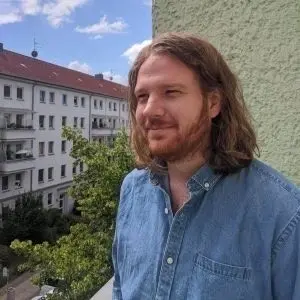
Alexander Wells is a freelance writer and critic from Australia. His reviews and essays have been published by THE GUARDIAN, THE DRIFT, THE BAFFLER, and the EUROPEAN REVIEW OF BOOKS among others. From 2020 to 2025, he was Books Editor for the print monthly THE BERLINER.
Paul Scraton
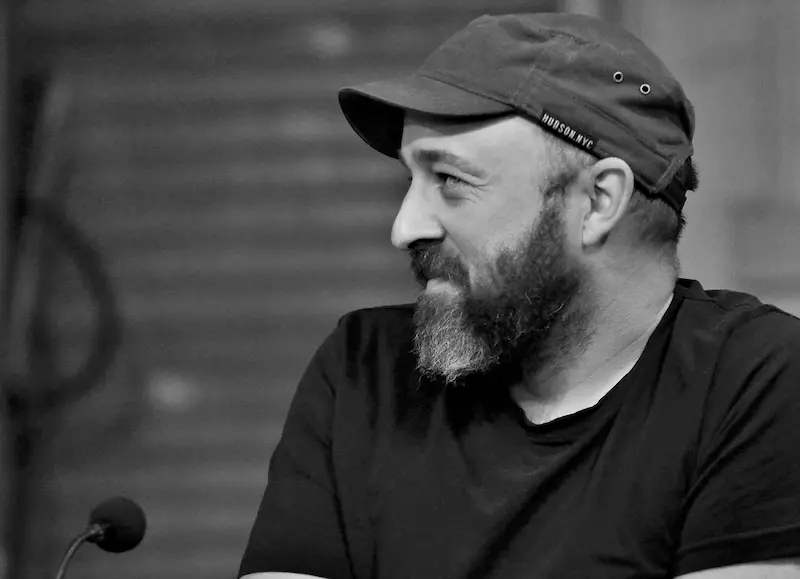
Paul Scraton was born in the north of England and has lived in Berlin since 2002. He is co-founder of ELSEWHERE: A JOURNAL OF PLACE and the author of a number of books for Influx Press including GHOST ON THE SHORE: TRAVELS ALONG GERMANY’S BALTIC COAST (2017) and the novella of the forest IN THE PINES (2021). His most recent novel is A DREAM OF WHITE HORSES (2024).
Julia Bosson
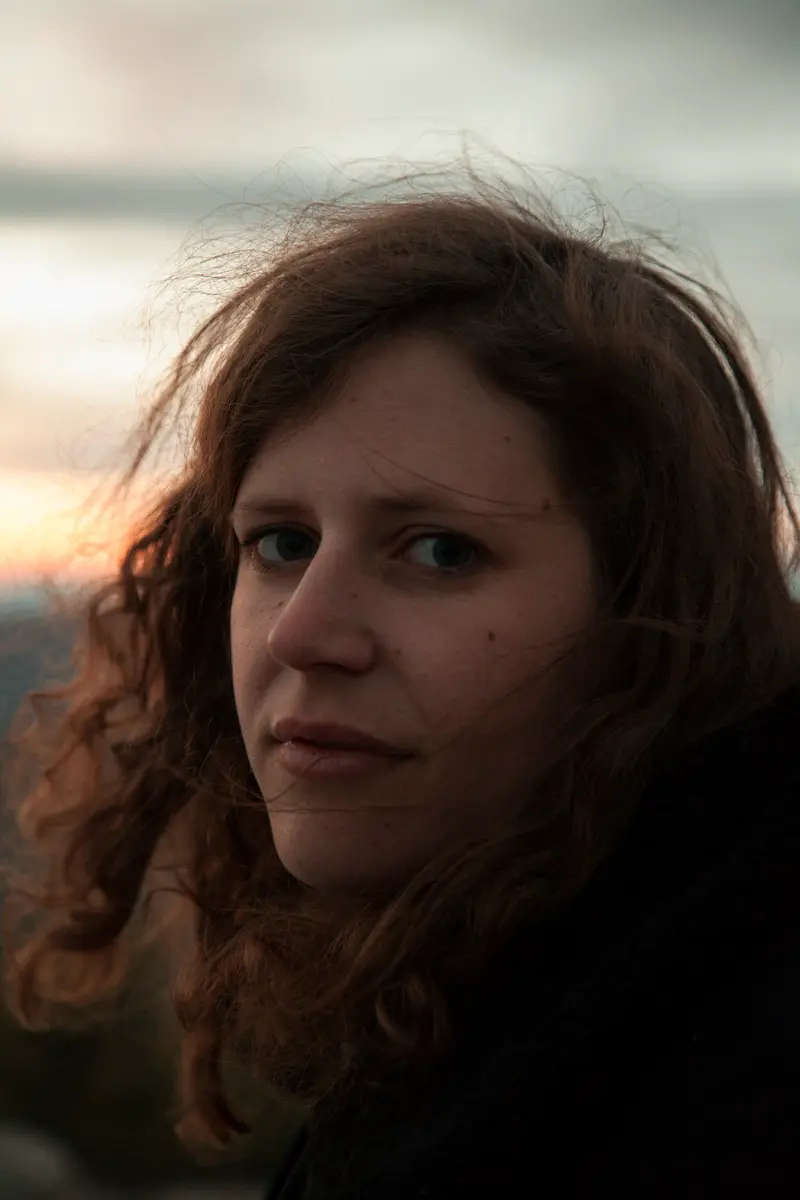
Julia Bosson is a writer originally from Ojai, California. She is editor-in-chief of the Diasporist, a magazine of politics and culture, and a member of the Berlin Jewish writer’s collective Die Sammlung. She is at work on a novel about the life and journalism of Joseph Roth.
Sanders Isaac Bernstein
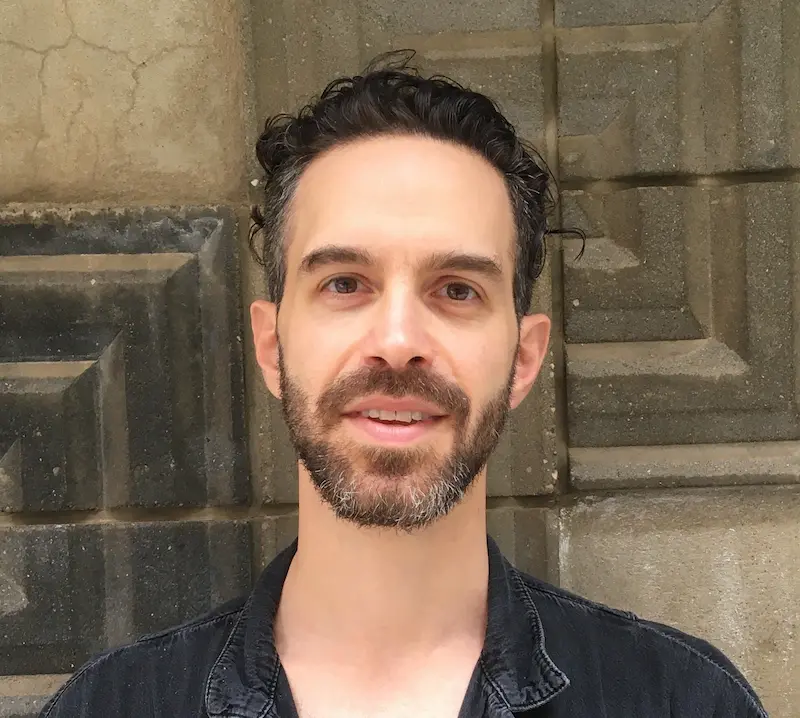
Sanders Isaac Bernstein is a writer living in Berlin. His work has appeared, among other places, in JEWISH CURRENTS, THE BAFFLER, CABINET, and NEWYORKER.COM.
Agnieszka Gasparska

Agnieszka Gasparska is a visual artist and graphic designer whose work moves in the delicate spaces that connect the sublime and the ordinary of our every day lives. Originally from Warsaw, she holds a BFA from the Cooper Union Schoolof Art and is the creative captain of Kiss Me I’m Polish, an independent multidisciplinary design studio she founded in 2004.
Marcel Krueger
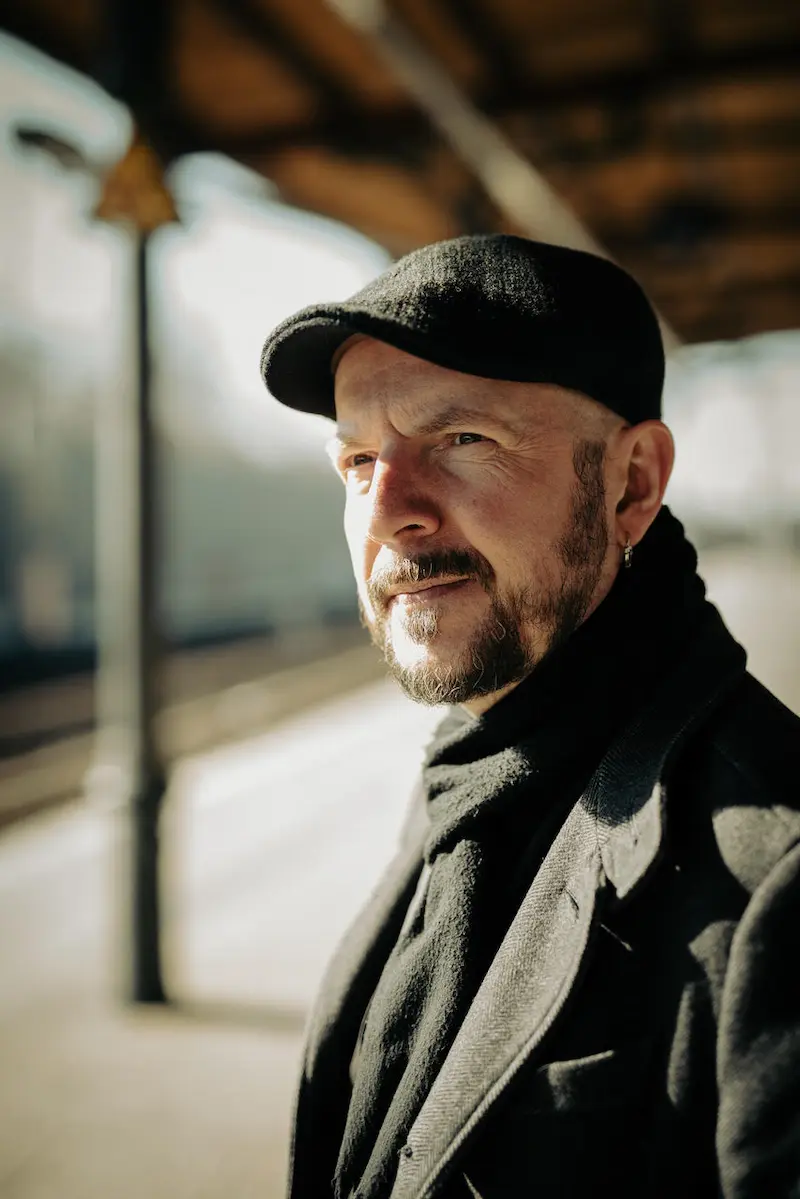
Marcel Krueger is a German-Irish writer and translator living in Berlin. His essays have been published in The Guardian, Notes from Poland, 3:AM, Paper Visual Art, CNN Travel, The Diasporist, Przekrój, and The Irish Times, amongst others. Marcel is the co-editor of Elsewhere: A Journal of Place, and has published five non-fiction books in English and German, among them Berlin: A Literary Guide for Travellers (written together with Paul Sullivan, 2016) and Babushka’s Journey: The Dark Road to Stalin’s Wartime Camps (2018).
Sylvia Krupicka
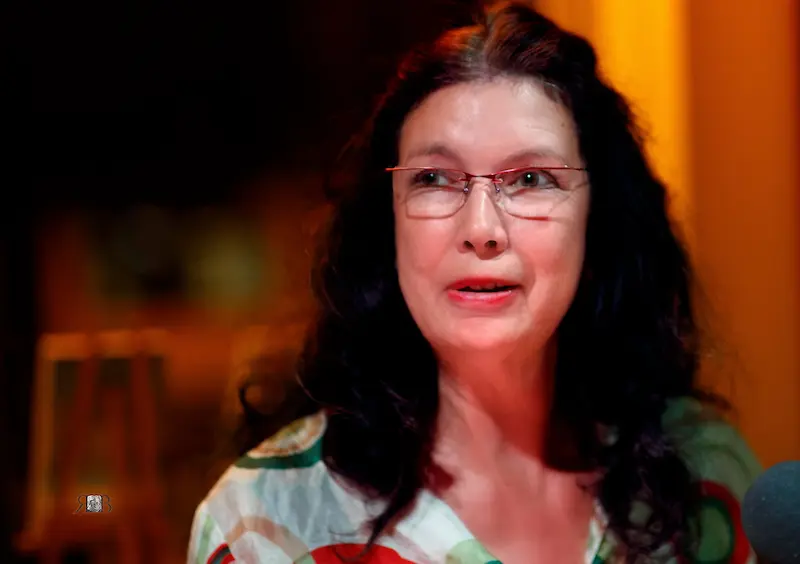
Sylvia Krupicka ist in Berlin (Ost) geboren. Neben Lyrik schreibt sie Prosa und veröffentlichte Kurzgeschichten, Hörspiele sowie drei Romane. Ihr letzter Roman „Mädchen zwischen den Zeilen“ (2024) greift das Tabuthema innerfamiliäre sexuelle Gewalt auf. Die Autorin engagiert sich in der Christa-Wolf-Gesellschaft.
Roxie Perkins
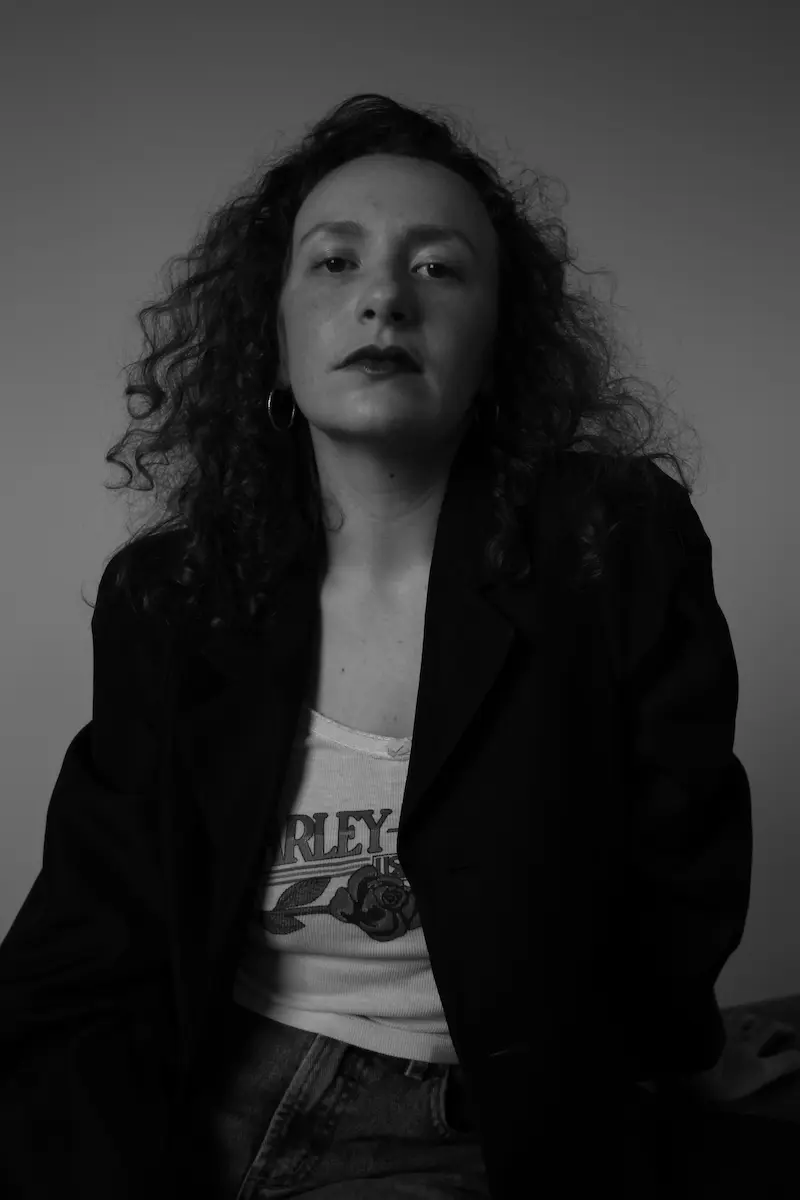
Roxie Perkins is an artist whose work spans the fields of opera, theatre, film, television, fiction, and new media art. She is the librettist of the Pulitzer Prize winning opera p r i s m and wrote on the innovative, digital opera project desert in, co-produced by Boston Lyric Opera and Long Beach Opera. Her latest opera, The Shell Trial, premiered at the Dutch National Opera in 2024 and was shortlisted for the FEDORA award, a European platform supporting innovation in opera. Roxie has worked as a Visiting Lecturer at CalArts, UCLA, and Berlin Writer’s Workshop.